

Protective clothing and multi-norm clothing with logo
Flames, arc flash, static charge, rain, working on your knees: what the standards mean, which jobs they are designed for – and how your logo gets onto protective clothing without weakening the protection.
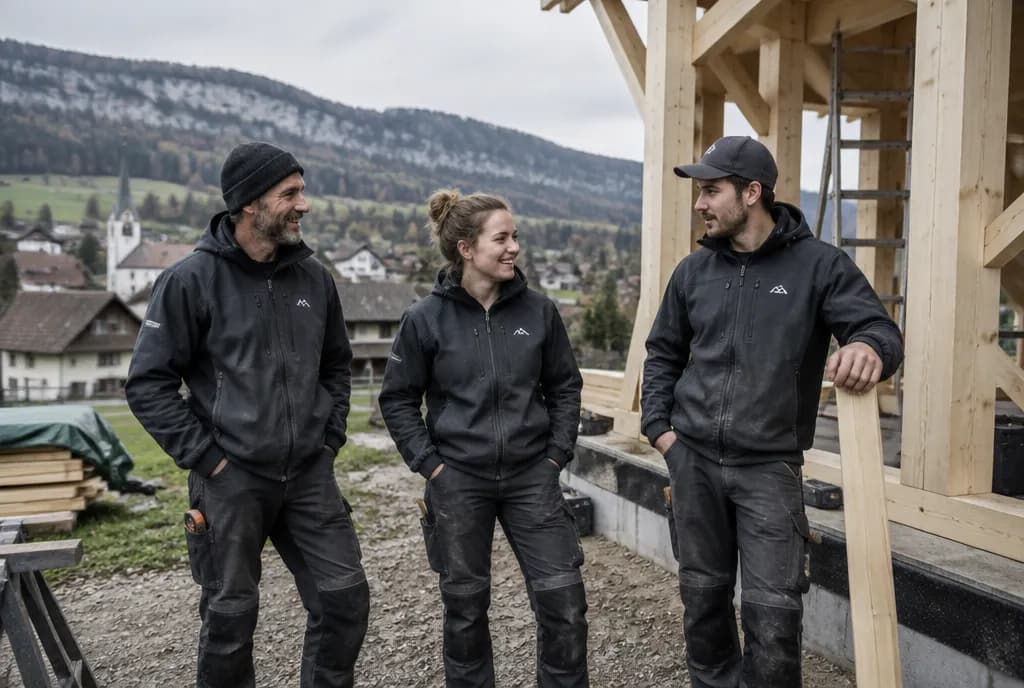
Multi-norm: several types of protection in one garment
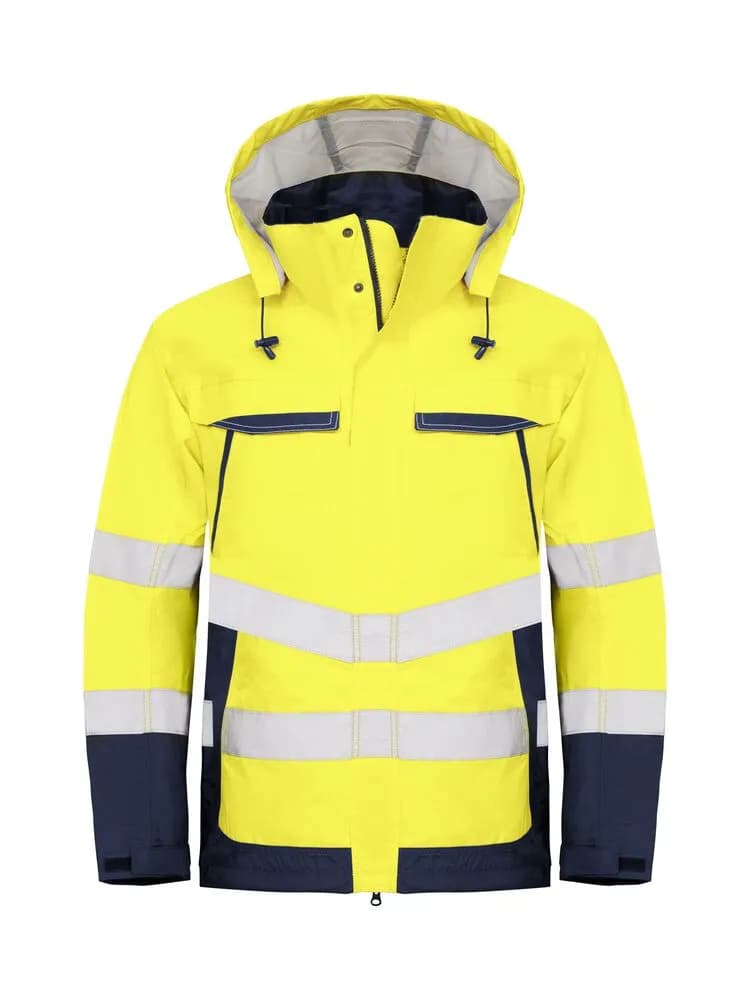
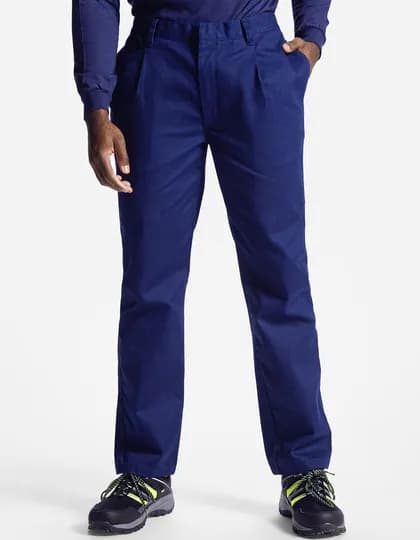
Protective clothing is part of personal protective equipment (PPE). Which standards are required is set by your business in its risk assessment; the Suva fact sheets help with this. Multi-norm clothing meets several standards at once – for example flame and arc flash protection, antistatic properties, protection against light chemical splashes and high visibility in a single pair of trousers. Anyone working on electrical installations by the road then needs no additional hi-vis vest, which would also have to be flame-retardant.
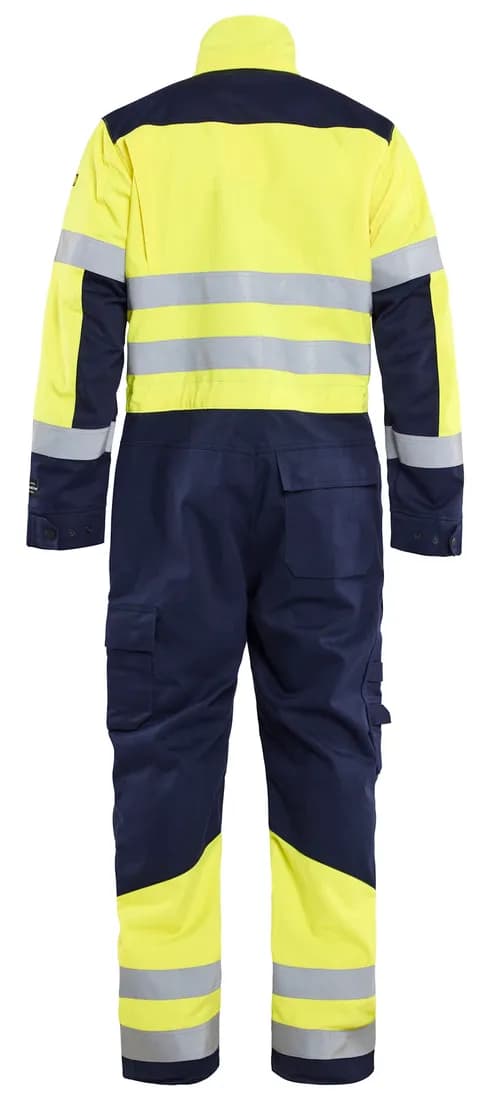
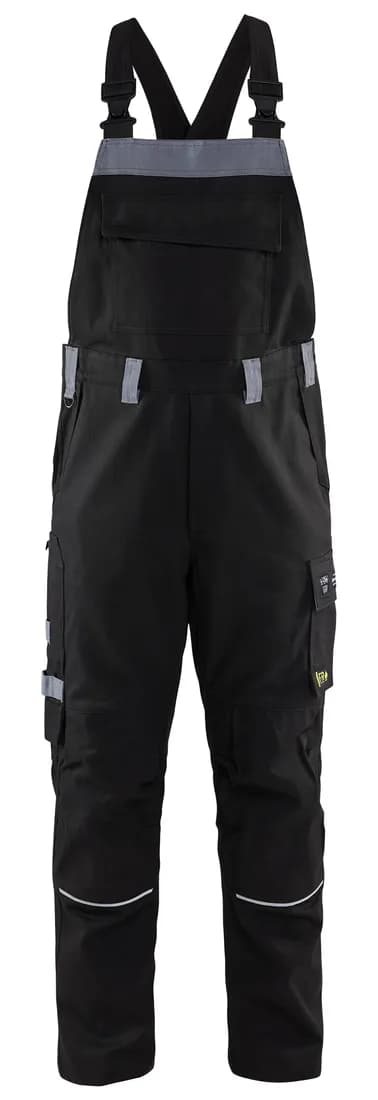
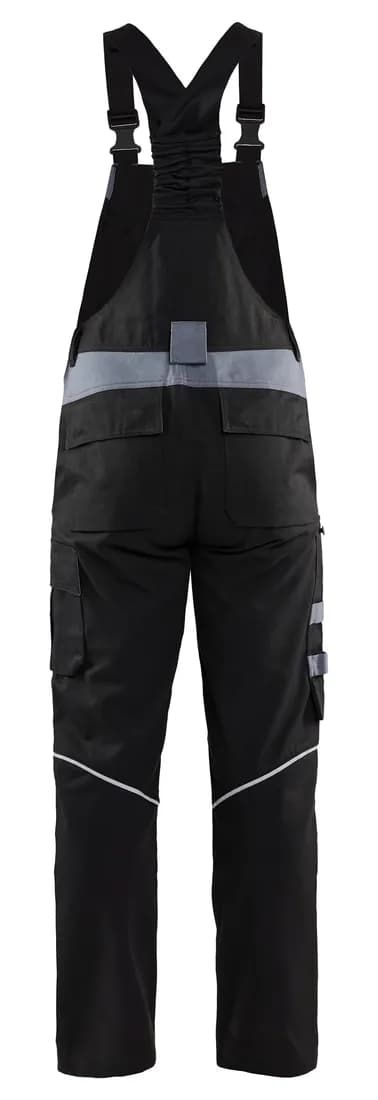
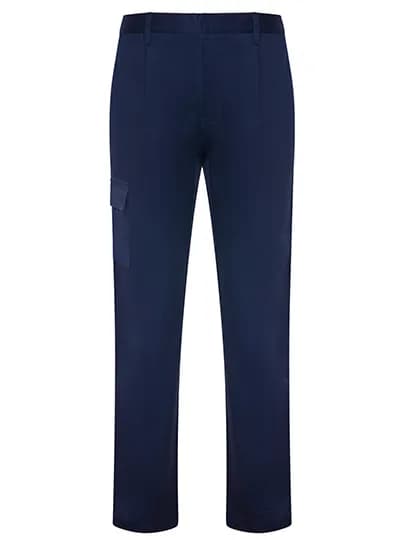
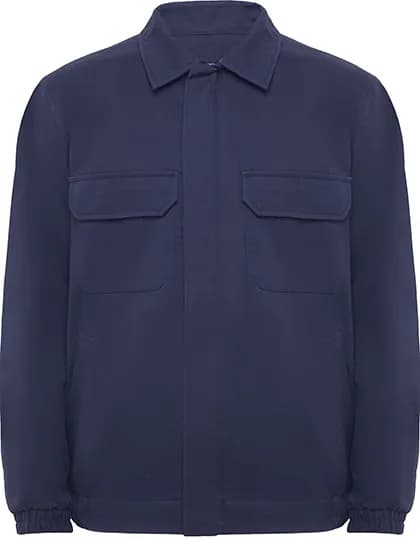
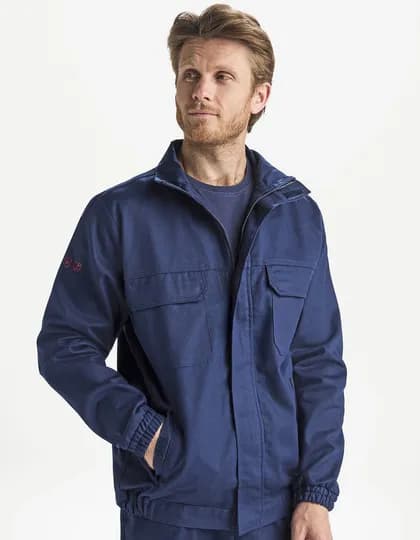
Our range includes around 170 items with flame or arc flash protection, mainly from Blåkläder, some from Roly: trousers, bib-and-brace trousers, coveralls, jackets, winter parkas, sweatshirts, polos and shirts. More than 100 of them are also hi-vis to EN ISO 20471, and around 40 come in a women’s cut. On ‘inherent’ models, the flame protection is in the fibre itself. There is also flame-retardant underwear, socks, beanies and balaclavas – because functional underwear made of synthetic fibres that melts in heat has no place under protective clothing.
Heat, flames and arc flash
EN ISO 11612 protects against heat and flames – in metalworking, foundries, industrial and energy plants. The letters after the standard show what was tested: A for limited flame spread, B for convective heat, C for radiant heat, D and E for splashes of molten aluminium and iron, F for contact heat. More than 160 items meet this standard. For welding, EN ISO 11611 applies; more than 80 items meet it, including a dedicated welder’s jacket, trousers, bib-and-brace trousers and apron.
IEC 61482-2 protects against the heat of an arc flash – for electricians working on live installations, in network construction and at energy utilities; here too there are more than 160 items. The box test assigns class APC 1 or APC 2, with APC 2 tested for a stronger arc. The open arc test gives a value in cal/cm² (ATPV or ELIM): the higher, the more protection – in our range from around 5 to over 40 cal/cm².
Antistatic, rain and knee protection
EN 1149-5 dissipates electrostatic charge so that no spark occurs – important wherever explosive gases, vapours or dusts can occur: petrol stations and fuel depots, chemicals, gas supply, paint shops, mills. This only works with closed clothing and antistatic safety shoes through which the wearer is earthed. Around 180 items carry this standard, all of them also flame-retardant.
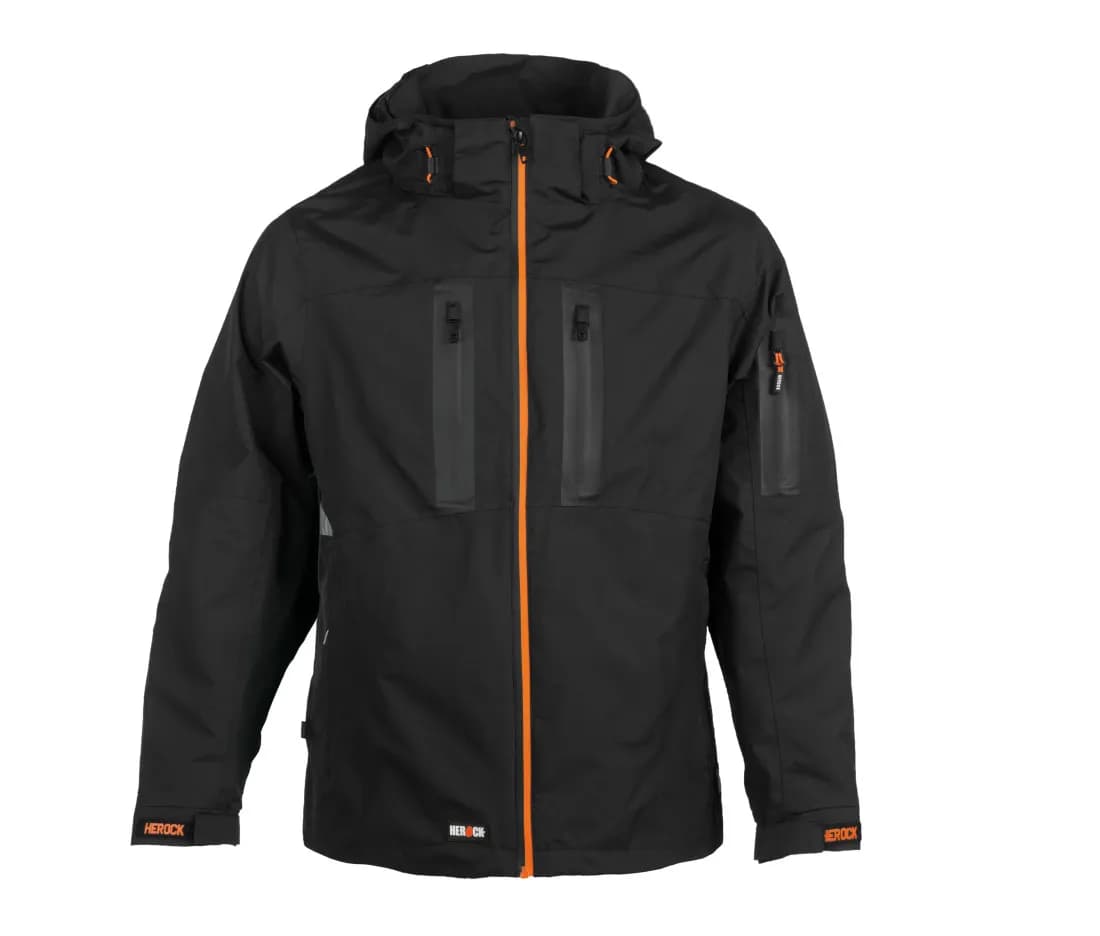
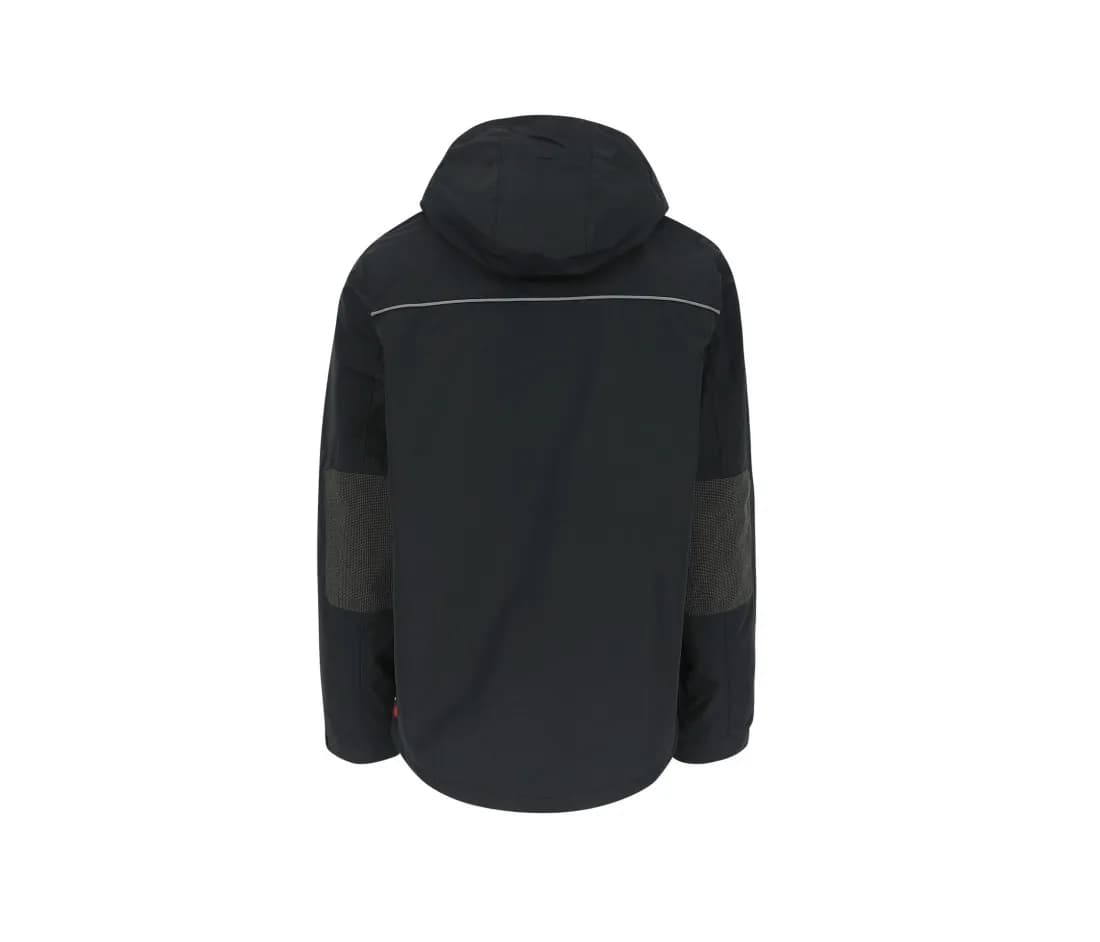
EN 343 protects against rain and wet – in road building and landscaping, in works depots, for delivery services. The first number stands for waterproofness, the second for breathability; the higher, the better. More than 80 jackets, parkas, trousers and coveralls meet EN 343, from Blåkläder, ProJob, Herock, Regatta, Korntex, Result and Yoko.
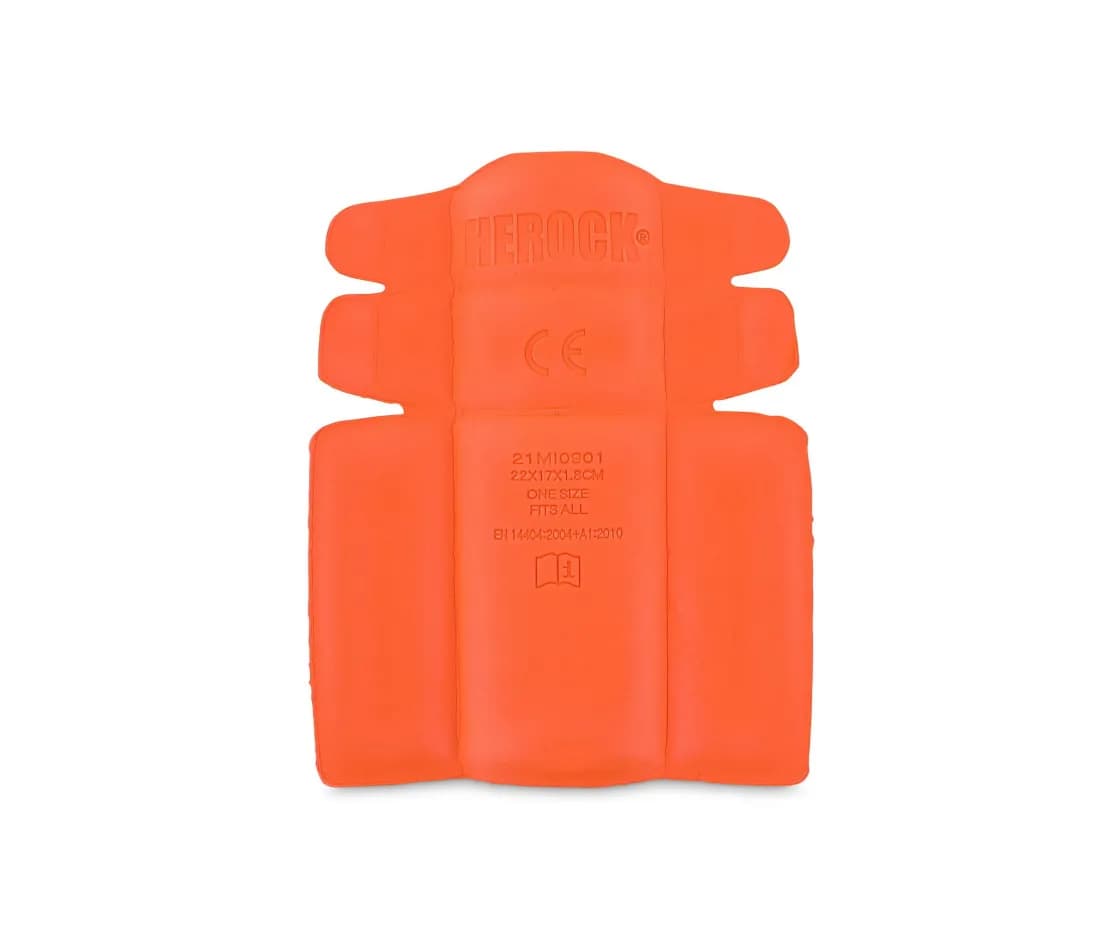
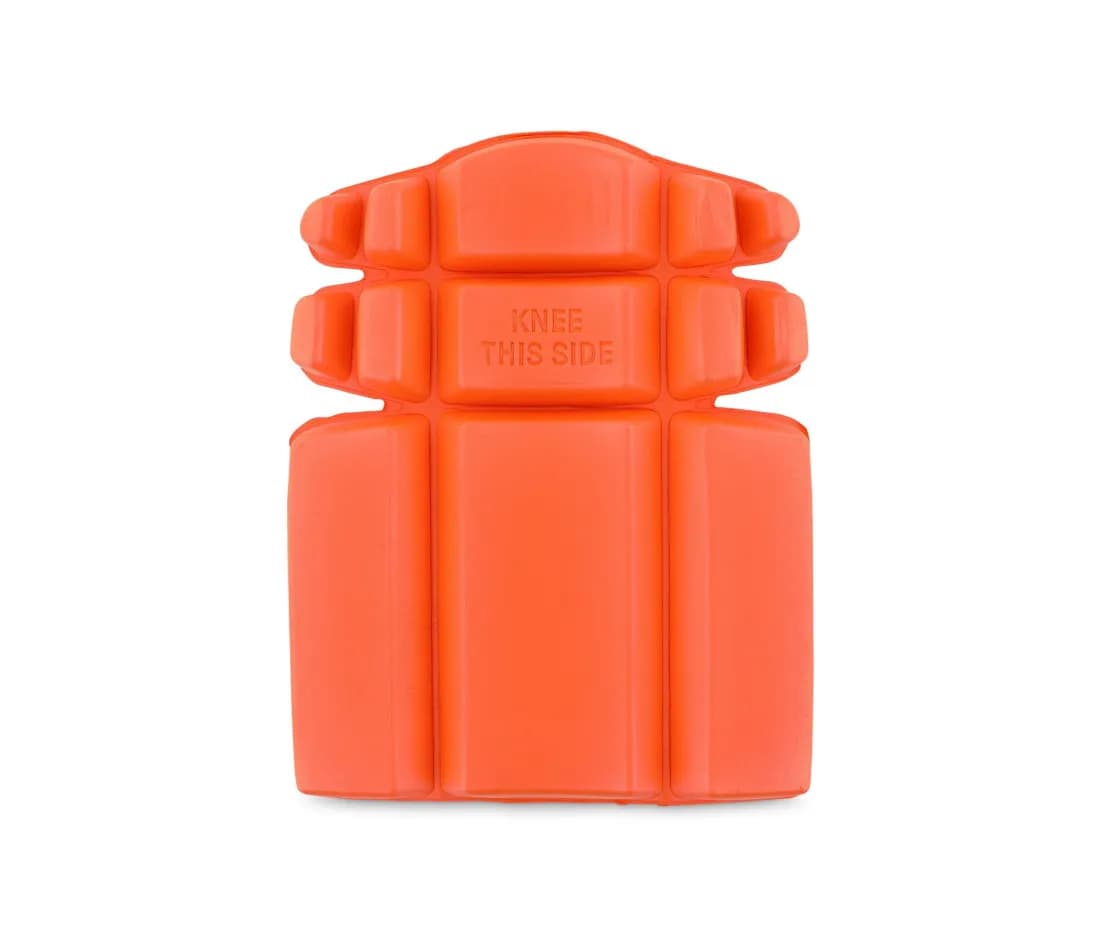
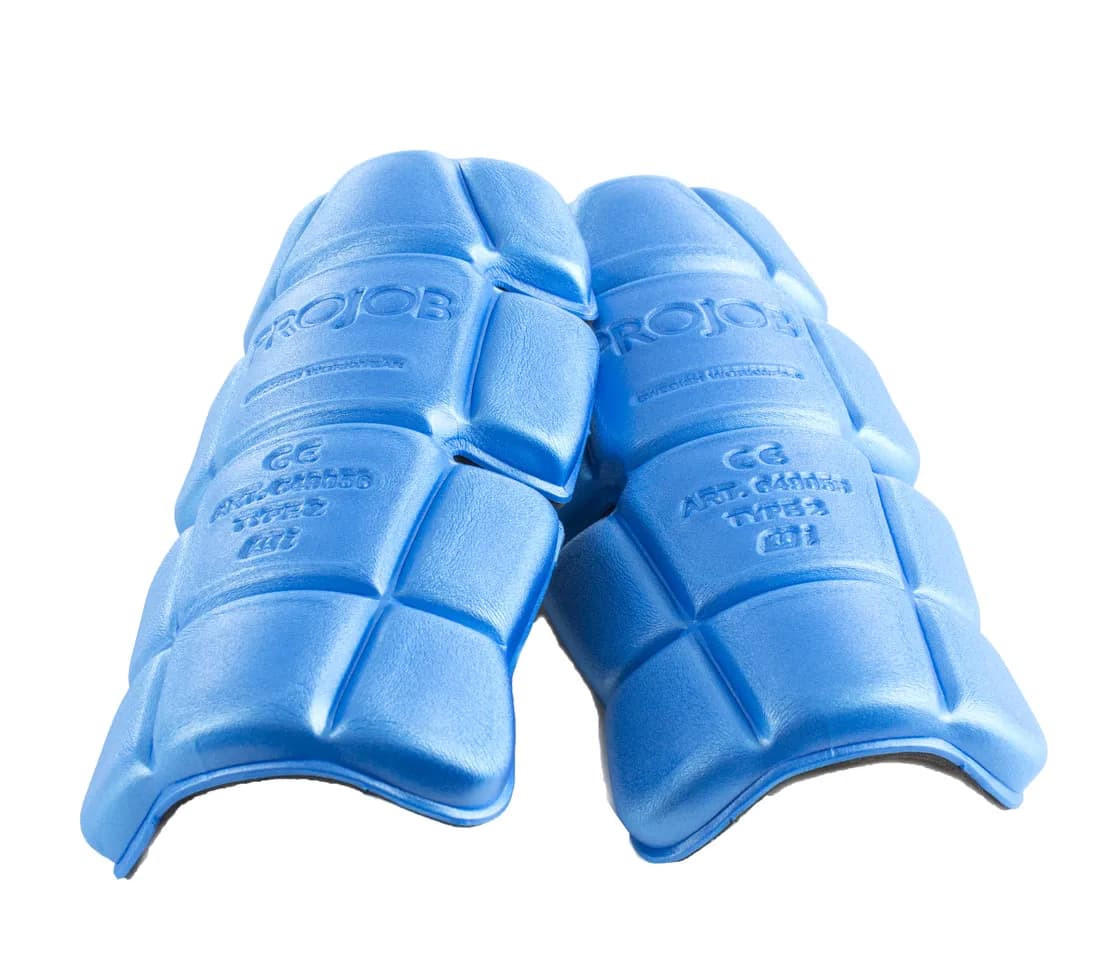
EN 14404 applies to work on your knees – tilers, floor layers, plumbers, electricians, roofers. The combination is tested: type 2 means the knee pads sit in the pockets of the trousers; level 0 applies to flat floors, level 1 also to floors with small stones. More than 70 trousers and coveralls from Blåkläder and Herock and knee pads from Herock and ProJob carry this standard. The trousers only provide protection together with the knee pad they were tested with.
Logo on protective clothing: agreed before you order
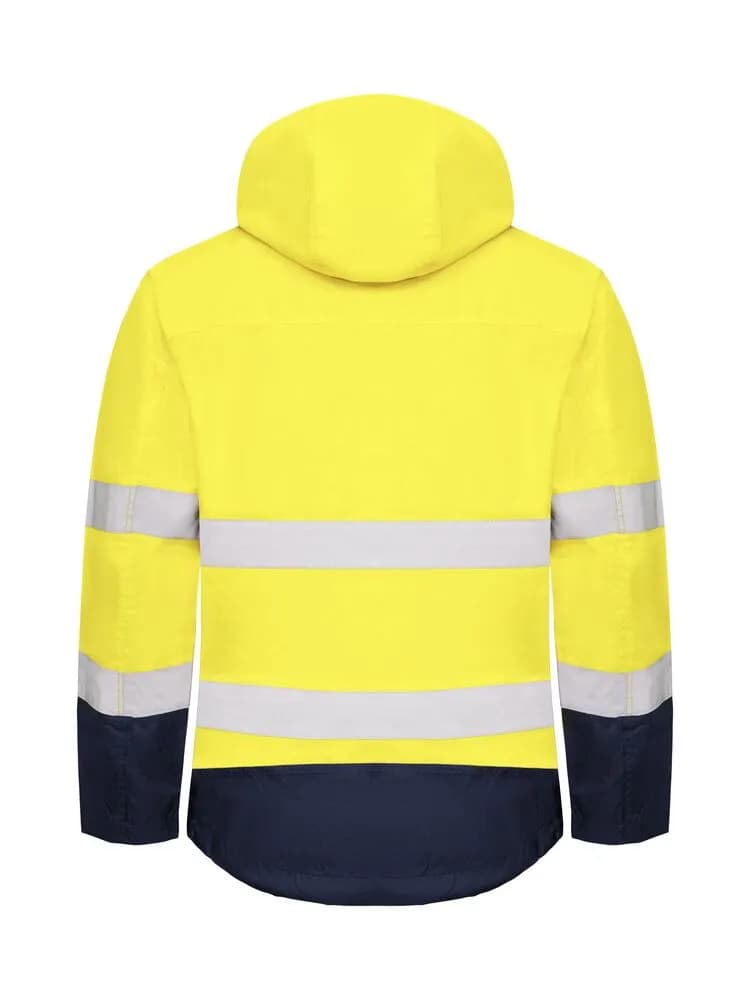
A logo must not weaken the protective effect, which is why the manufacturers’ specifications apply. For almost half of the flame-retardant items, decoration is restricted: embroidery only on the chest pocket, transfers only, or no embroidery at all. For around half of the rainwear to EN 343, embroidery is not possible, because every stitch would perforate the waterproof layer. On hi-vis clothing, the reflective strips stay free in any case.
For flame-retardant, multi-norm and arc flash clothing, we therefore agree the type, size and position of the logo with you before you order – easiest via a quote: you name the items, quantities and logo, we clarify the decoration, and you receive the quote within 24 hours as a link. Digitising is free. With logo we deliver 7–10 working days after you approve the proof, without logo in 2–4 working days, by Swiss Post throughout Switzerland; shipping costs CHF 9.90 and is free from CHF 250. For new employees, you reorder with one click.
Matching products from our range
Full range →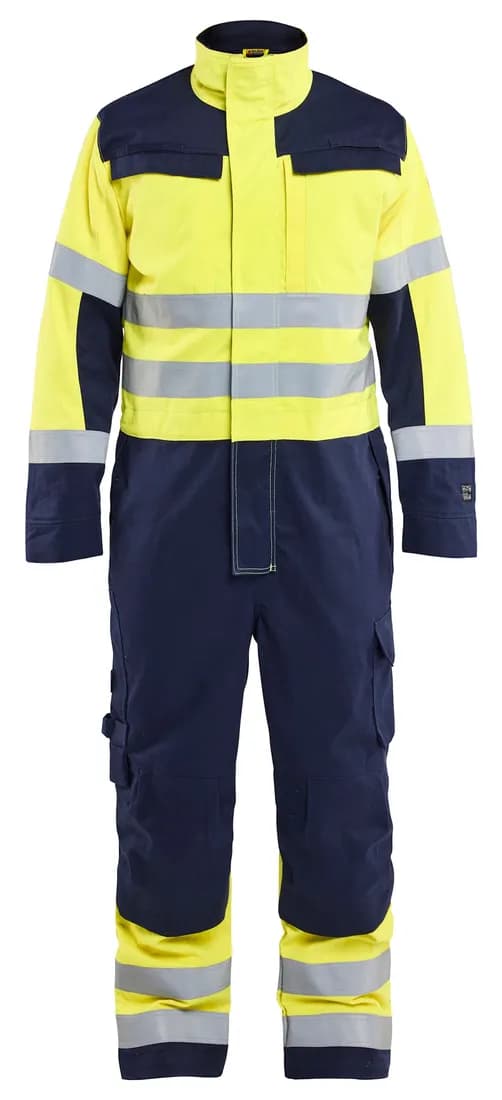
Frequently asked questions
What does multi-norm mean?
A multi-norm garment meets several protective standards at once, for example EN ISO 11612 (heat and flames), IEC 61482-2 (arc flash), EN 1149-5 (antistatic) and EN ISO 20471 (high visibility). Which standards an item meets is stated in its description.
Can I have protective clothing embroidered with a logo?
Often yes, but not always: depending on the model, the manufacturer only allows embroidery on the chest pocket, only transfers or no embroidery at all. That is why we clarify the type, size and position of the logo with you before you order.
What do APC 1 and APC 2 mean?
They are the classes of the box test under IEC 61482: APC 2 is tested for a stronger arc flash than APC 1. Which class you need follows from the risk assessment for your installations.
Are trousers with knee-pad pockets enough for EN 14404?
Only together with the knee pad they were tested with. The item description states which combination the certification applies to.
Is there a minimum order?
No, you can order protective clothing from a single piece, with or without a logo. For a whole team, we prepare a quote within 24 hours as a link you can forward internally.
Your logo.Your team.
Upload your logo and see it on the product straight away – or request a quote: reply within 24 hours.